
Indigo dye
Blugene — Bio-based indigo dye
Blugene is CutisBio’s indigo dye developed through microbial production. It connects strain design with fermentation and recovery for colour applications in denim and other textiles.
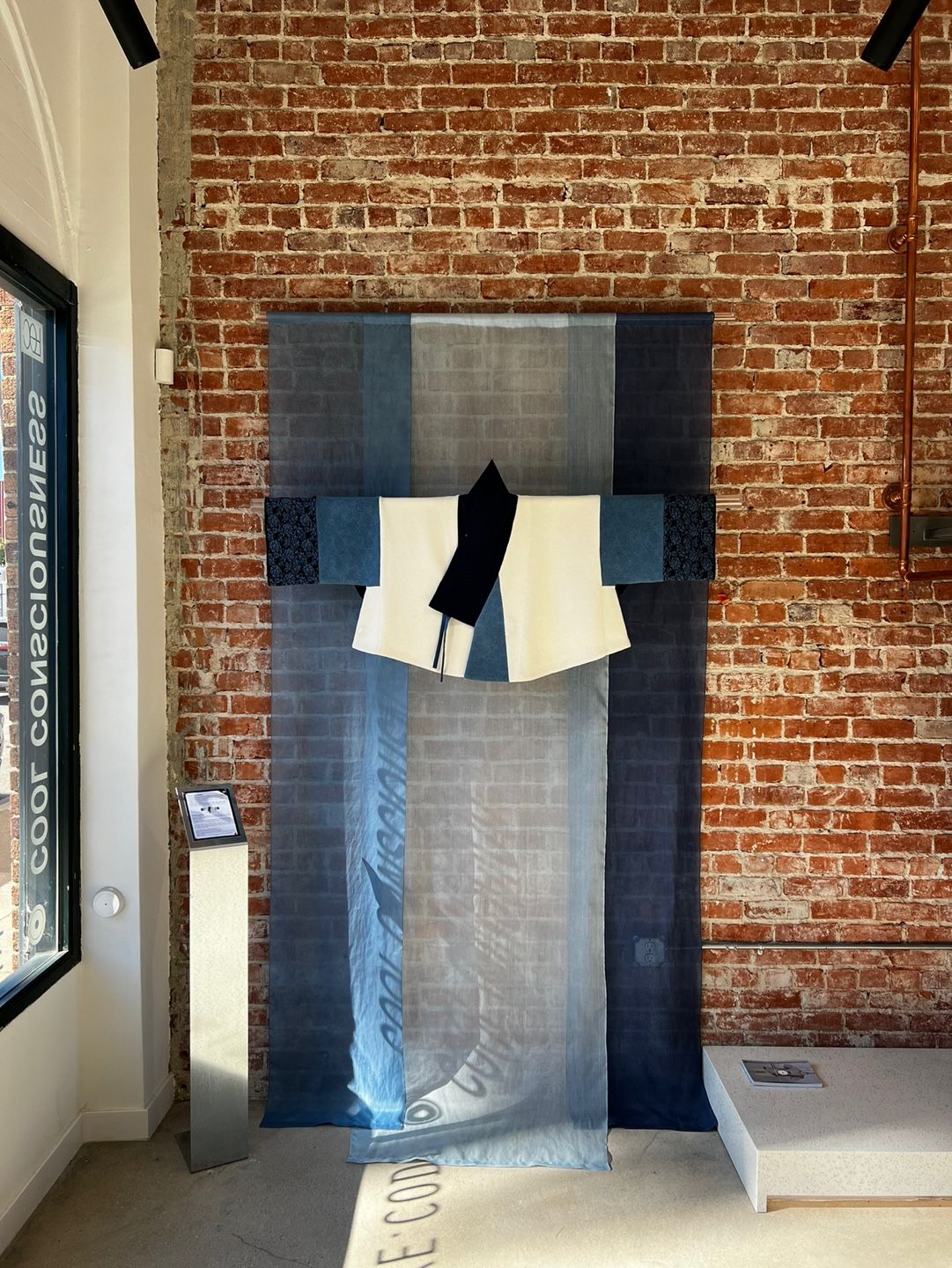
Blugene at a glance
- Product type
- Indigo colour material for textile dyeing
- For
- Fashion brands, textile manufacturers and dyeing partners
- Development
- Strain design through KeySS and fermentation/recovery development through MtoM
- Product information
- The dedicated Blugene site covers material applications and sample enquiries.
The industry problem
Indigo is everywhere in fashion, and its supply chain was never designed around biology.
- 01
Conventional indigo is synthesised from petrochemical aniline, which the US EPA classifies as a probable human carcinogen, and textile certification schemes increasingly restrict residual aniline in dyed goods.
- 02
Plant-extracted indigo depends on a few exporting regions whose supply swings from year to year, and its shade varies by region and season.
- 03
Dyeing is water-intensive and a major source of industrial wastewater, so brands and mills are asked for traceable, lower-impact colour without giving up the shade, fastness and process compatibility that denim production relies on.
Our approach
Engineered microbes as the colour source.
Blugene applies the CutisBio platform to indigo itself: microbial strains engineered with KeySS to produce the indigo pathway from renewable biomass, and a fermentation-to-recovery process developed with MtoM to turn that biology into a textile-ready dye. Because the colour is built by biology, the route does not start from aniline and the supply does not depend on a harvest.
Our development focus is industrial fit — identity and purity of the material, batch-to-batch consistency, and compatibility with dyeing practice — rather than colour alone.
Blugene applies the SAC platform to connect microbial material production with textile industry requirements. This corporate overview explains its development and technology; material details and sample enquiries continue on the dedicated Blugene site.
How it works
From fermentation to fabric
- Engineered strain
A microbial host carrying the designed indigo pathway.
- Fermentation
Controlled cultivation produces the colour precursor.
- Recovery
The indigo is separated and prepared as a dye-grade material.
- Dyeing
Applied through textile dyeing workflows.
- Fabric
Denim and other textile applications.
In practice
Blugene in materials
Colour and texture in the supplied denim samples. Application conditions are reviewed for each partner’s materials and processes.
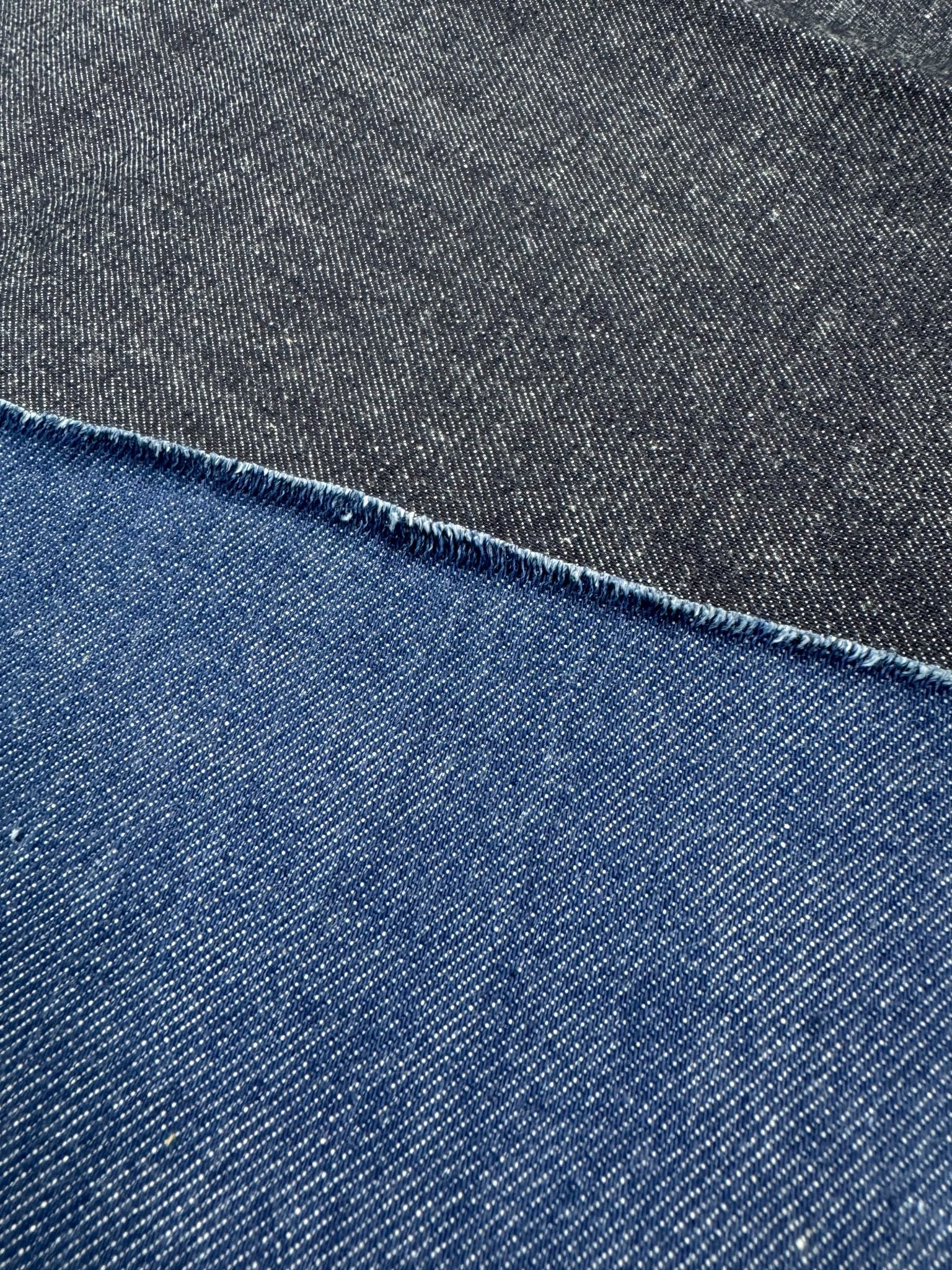
01Denim samples in indigo shades. 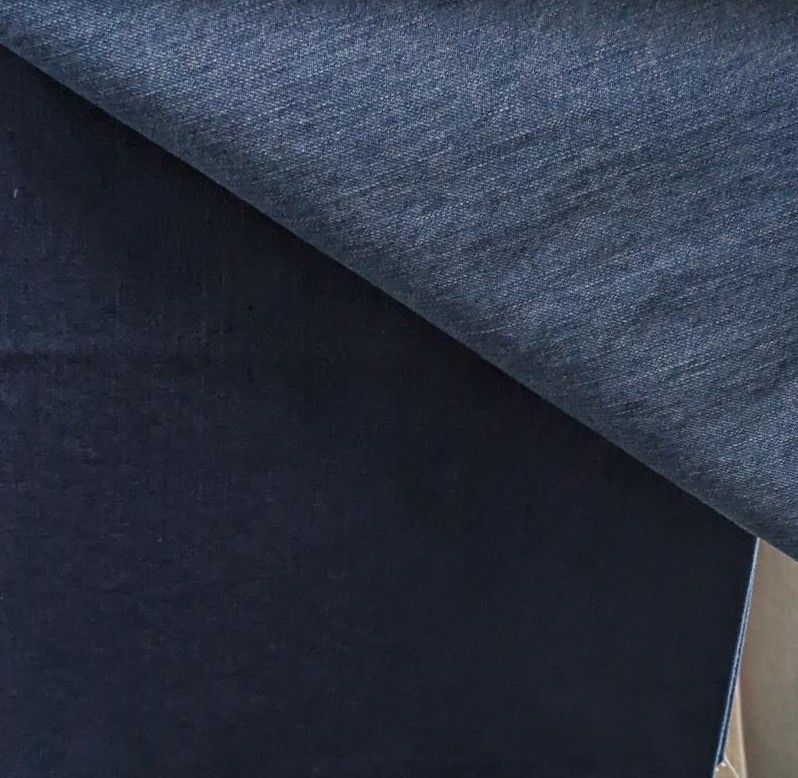
02A closer view of the material surface and weave.
Why it matters
Designed for performance, quality and fit.
- 01
Material identity
Developed and characterised as indigo for textile use, with analytical methods defined for the material rather than assumed from the source.
- 02
Process compatibility
Designed to be evaluated within existing dyeing practice, so adoption does not require a mill to rebuild its process from scratch.
- 03
Consistency
Bioprocess development targets repeatable material quality from batch to batch, a prerequisite for industrial use.
- 04
Traceable origin
A biological production route with a defined process, supporting documentation for brands that need to describe where their colour comes from.
Applications
Where the material applies.
Explore application areas and discuss the scope of your project with us.
Denim
Warp yarn and garment dyeing programmes where indigo shade and behaviour are central.
Woven and knit textiles
Indigo-coloured fabrics beyond denim, evaluated within the mill’s dyeing route.
Brand collaborations
Capsule and pilot programmes that pair a defined material specification with an approved brand story.
FAQ
Frequently asked questions
Where can I find detailed technical information about Blugene?
Technical details, sample requests and product-specific news are handled on the dedicated Blugene product website, linked from this page.
Is Blugene a dye or a finished textile?
Blugene is a colour material for textile dyeing. Fabric and garment outcomes depend on the dyeing route chosen with each mill or brand partner.
How do we evaluate Blugene for our products?
Evaluations are scoped with each partner: application, target shade and performance, volume horizon and timeline. Contact us through the partner page to begin.
Can you share data on environmental impact?
We only communicate environmental performance that is supported by documented assessment. Where such data exists for a specific scope, it is shared with partners as part of the technical discussion.
How does Blugene relate to the rest of CutisBio?
Blugene is the most public example of the CutisBio platform: KeySS for strain and pathway engineering, and MtoM for process development and scale-up.
Next step
Discuss Blugene.
Tell us your intended use and the information you need. We will help you identify a way to start.